

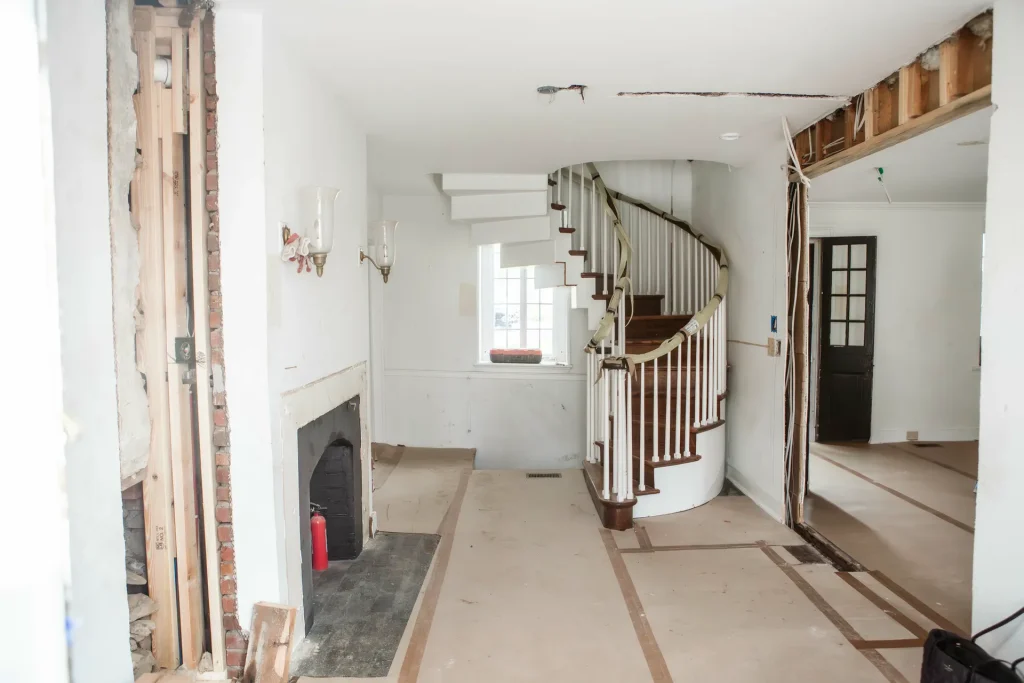
Let’s be honest—there’s nothing quite like the soul of an old building. The worn thresholds, the creak of a century-old board, the patina that tells a story. But when you’re tasked with giving that building a new life—as a loft, a restaurant, an office—the flooring becomes a central, and often tricky, character in the plot.
Adaptive reuse and historic renovation aren’t just about preservation; they’re a delicate dance between old and new. The floor has to bear modern loads, meet current codes, and handle daily traffic, all while honoring the building’s original spirit. No small feat. So, here’s the deal: let’s dive into the practical, beautiful, and sometimes surprising world of flooring for these special projects.
The Core Challenges: It’s Not Just About Looks
Before we talk solutions, you have to understand the playing field. Historic buildings come with… let’s call them “personality quirks.”
- Subfloor Surprises: You might find irregular joist spacing, significant slope for drainage (in old factories), or subfloors made of diagonal plank boards. Modern click-lock flooring? It often needs a perfectly level base, which can be a tall order.
- Moisture and Vapor Issues: Old buildings breathe differently. Many lacked modern vapor barriers, leading to moisture migration that can wreak havoc on sensitive modern materials.
- Structural Load Limits: Adding a heavy stone tile floor might sound gorgeous, but the original structure may not have been designed for that extra weight.
- Preservation Mandates: In many cases, especially with landmark status, you’re required to preserve or replicate original materials. This demands a blend of forensic investigation and artisan craftsmanship.
Material Match-Up: Time-Tested and New-Tech Options
Okay, so with those challenges in mind, what actually works? Well, the best flooring solutions for adaptive reuse projects often marry traditional materials with contemporary performance. Here’s a breakdown.
1. Reclaimed & Antique Wood Flooring
This is the gold standard for authenticity. Sourcing wood from similar-era buildings (like old barns, factories, or even from the same building) provides an unmatched historic match. The character is already there—nail holes, saw marks, a rich, varied color palette. It feels right.
That said, it’s a labor of love. The wood needs careful milling, de-nailing, and acclimation. But the result is a floor with instant heritage and a stunning, non-replicable story. It’s the ultimate in sustainable design, too.
2. Engineered Wood: A Clever Compromise
For projects where solid hardwood installation is risky due to moisture or subfloor instability, engineered wood is a secret weapon. Its cross-ply construction resists expansion and contraction better than solid planks. You know, it’s more forgiving on those less-than-perfect historic subfloors.
The key is finding products with a thick enough wear layer so it can be sanded and refinished multiple times over its life—just like original wood. This makes it a fantastic long-term solution for commercial adaptive reuse spaces like offices or retail.
3. Polished Concrete: Embracing the Industrial Past
In former factories, warehouses, or mills, the existing concrete slab often is the historic floor. Polishing and sealing it celebrates that raw, industrial past while providing an incredibly durable, low-maintenance surface for new uses.
You can even incorporate aggregates or score patterns to mimic historic divisions. The thermal mass is great for energy efficiency, too. Just be sure to check for major cracks or deterioration—sometimes it needs a structural overlay.
4. Luxury Vinyl Plank (LVP) & Tile (LVT)
Now, hear me out. While not “historic,” high-quality LVP/LVT has become a genuine player in these projects. Why? Because the visual fidelity is astonishing—you can get convincing reproductions of reclaimed wood, encaustic tile, or even weathered concrete.
Its superpower is practicality. It’s waterproof, comfortable underfoot, and can be installed directly over many problematic subfloors with a underlayment. For restaurants in historic buildings or basement-level apartments where moisture is a constant threat, it’s a lifesaver that still nods to the aesthetic.
5. Traditional Tile & Stone
In entryways, kitchens, or bathrooms of historic renovations, tile is often appropriate. The trick is in the pattern and scale. Look to the building’s era for inspiration—hexagonal black & white, simple subway, or large-format terracotta.
Salvage yards are treasure troves for original tiles. For large areas, new tile that replicates old methods (like cement encaustic) can provide that timeless feel without the fragility and extreme cost of century-old pieces.
Key Considerations Before You Choose
Picking the material is just part of the story. Honestly, the process is what makes or breaks the installation.
| Consideration | Why It Matters | Quick Tip |
| Subfloor Assessment | This is non-negotiable. You must know what you’re building on. | Engage a structural engineer early. Don’t guess. |
| Moisture Testing | Even in “dry” buildings, capillary rise can be an issue. | Use a professional-grade moisture meter and test multiple times over days. |
| Acclimation Time | Natural materials need to “settle in” to the building’s unique humidity. | Factor this into your timeline—it can take weeks. |
| Finish Durability | Historic doesn’t mean delicate. The floor must withstand its new use. | For wood, look at hard-wax oils or commercial-grade urethanes. |
| Access & Future MEP | Old buildings often have utilities run under floors. | Consider access panels or modular systems for future repairs. |
The Philosophy: Telling a Layered Story
The most successful projects, in my view, don’t pretend the building is new. They let its history show through. Maybe that means leaving a section of original, scarred floorboards exposed as a “rug” under new furnishings. Or using a different material in a new addition, making the transition between old and new deliberate and clear.
It’s about a layered story. Your flooring choice is a chapter in that story. A modern polished concrete pour next to original brick? That contrast can be breathtaking. It speaks to the building’s journey.
In the end, flooring for adaptive reuse is a balancing act. It’s part science, part art, and a whole lot of respect—for the craftsmen who built it then, and for the team reimagining it now. The goal isn’t a flawless, magazine-perfect floor. It’s a floor with integrity, that can handle the next hundred years of life, laughter, and footsteps. And that’s a pretty beautiful thing to walk on.