

If you’ve ever kept a sourdough starter, you know the feeling. That little jar of bubbly potential lives on your counter, demanding to be fed. And with every feeding comes the inevitable question: what on earth do I do with all this discard?
For years, I just… tossed it. It felt like a tiny culinary failure each time. But here’s the deal: that unfed starter isn’t trash. It’s a secret ingredient. A tangy, complex, and versatile kitchen powerhouse waiting for its moment. Upcycling your sourdough discard is less about waste reduction—though that’s a fantastic bonus—and more about unlocking a whole new layer of flavor and texture in your everyday cooking. Let’s dive in.
Why Bother? The Magic in the “Waste”
First off, let’s reframe. Sourdough discard is simply starter that hasn’t been recently fed. It’s acidic, hungry, and past its peak leavening power for an open-crumb loaf. But that acidity is its superpower. It tenderizes, adds a nuanced tang, and contributes to incredible browning.
Think of it like a sourdough buttermilk or yogurt. It brings moisture, a slight lift (especially when combined with baking soda), and a depth of flavor that plain flour just can’t match. Honestly, once you start using it, you’ll find yourself looking forward to feeding time just to get your hands on more discard.
Your Discard Toolkit: A Few Ground Rules
Before we get to the good stuff, a couple of quick tips. Store your discard in a sealed container in the fridge. It’ll happily live there for a week, sometimes two, developing even more tang. You can also freeze it in ice cube trays for longer storage. And always give it a good sniff before using—it should smell sour and yogurty, not foul or boozy.
Beyond the Pancake: Creative Avenues for Your Discard
Sure, sourdough pancakes and waffles are the classic starting point—and for good reason, they’re fantastic. But the world of upcycling stretches far beyond breakfast. Here’s a roadmap to get your creative juices flowing.
The Quick & Savory Wins
These are my weeknight heroes. No lengthy planning, just stir and go.
- Flatbreads & Crackers: Mix discard with a glug of olive oil, some herbs, and salt. Roll it thin, bake until crisp, and you’ve got artisan-style crackers in minutes. It’s almost too easy.
- Savory Crepes or Scallion Pancakes: Thin your discard with a bit of water or milk, an egg, and throw in some chopped scallions. Pan-fry for a lightning-fast side dish. The edges get so delightfully lacy and crisp.
- Cheese & Herb Scones: The acidity makes for a tender, flaky crumb. Fold in sharp cheddar and rosemary. You won’t believe the texture.
The Sweet Transformations
The tang of sourdough is a brilliant counterpoint to sweetness. It cuts through the sugar, making treats feel… well, less cloying and more sophisticated.
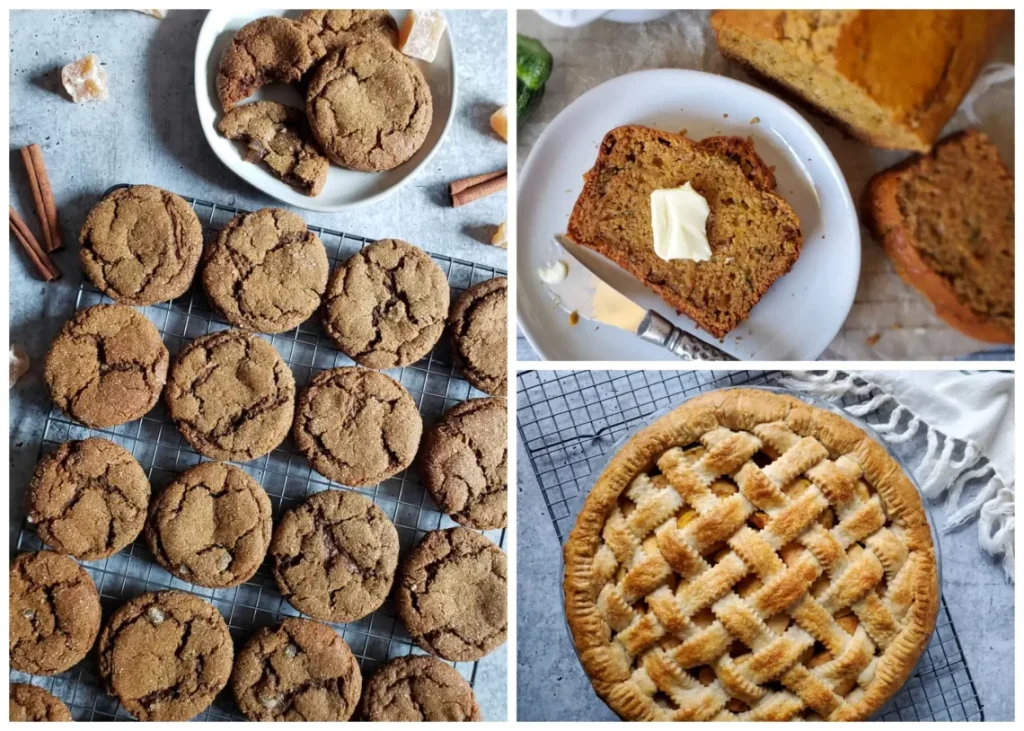
Brownies and Blondies are a revelation. The discard adds a fudgy, moist density that’s hard to achieve otherwise. And coffee cake or crumb muffins? The sourdough base makes them stay moist for days. Don’t even get me started on tangy chocolate chip cookies.
The “Secret Ingredient” Savories
This is where you can get really clever. Use discard as a thickener and flavor base for cheese sauces for mac & cheese—it eliminates the need for flour in your roux. Stir a spoonful into bread dough for pizza crust or focaccia for extra complexity. You can even use it to make a killer sourdough pie crust for a quiche. It browns beautifully and has a subtle bite that pairs perfectly with eggs and cheese.
A Simple Starter Recipe: Discard Crackers
Let’s put this into practice with a dead-simple, endlessly customizable recipe. These crackers are addictive, and they make your kitchen smell like a professional bakery.
- 1 cup (about 240g) sourdough discard
- 1/4 cup (60ml) olive oil or melted butter
- 1 cup (120g) all-purpose flour (plus more for dusting)
- 1 tsp salt, plus more for topping
- Your choice of herbs: rosemary, thyme, everything bagel seasoning, cracked pepper.
Mix everything in a bowl until it comes together. Knead lightly for a minute. Let it rest for 30 minutes—this relaxes the gluten so it’s easier to roll. Divide the dough, roll it out as thin as you possibly can on a floured surface. The thin parts get the crispiest. Transfer to a parchment-lined baking sheet, score into squares, sprinkle with salt, and bake at 350°F (175°C) for 15-20 minutes until golden and crisp. Let cool. They’ll keep in an airtight container for a week… if they last that long.
Matching Discard to Your Mood: A Quick Guide
| You’re Craving… | Perfect Discard Project | Why It Works |
| Something Instant | Pan-fried flatbread | No wait time, cook in 5 mins. |
| A Cozy Morning | Waffles or Pancakes | Tangy, fluffy, and a classic for a reason. |
| A Savory Snack | Herbed Crackers or Cheese Scones | Uses pantry staples, deeply satisfying. |
| A Sweet Treat | Brownies or Blondies | Discard adds moisture & complexity. |
| A “Wow Factor” Side | Sourdough Focaccia or Biscuits | Elevates a simple meal impressively. |
The Ripple Effect: More Than Just Food
This practice, this art of upcycling, does something to you. It shifts your mindset in the kitchen. You start seeing potential where you once saw excess. That half-jar of jam? Maybe it goes into a thumbprint cookie. Stale bread? Obviously, croutons. Sourdough discard is just the gateway.
It connects you to the rhythm of your starter, too. The discard isn’t a byproduct; it’s a phase in the cycle. Using it completes the loop, creating a kind of kitchen sustainability that feels genuinely good. You’re not just baking; you’re participating in a process that’s both ancient and incredibly personal.
So next time you go to feed your starter, pause. Look at that jar of discard not as something to be disposed of, but as an invitation. An invitation to experiment, to play, and to taste the wonderful, tangy results of a truly circular kitchen habit. The art isn’t in perfection—it’s in the creative, slightly messy, and utterly delicious act of making something from what was already there.